LIST ONLY: 1) Security is a high priority; 2) Audio data becomes increasingly important; 3) Different types of data sources (social, mobile, IoT); 4) Data Analytics takes front stage; 5) Information Governance gains greater focus. Read full article.
I read “The Average College Freshman Reads at 7th Grade Level.” I find this fascinating. No wonder folks are baffled when it comes to framing a query using Boolean logic. Little wonder that youthful search “experts” are clueless about the antics of search vendors from the 1980s. These folks cannot and will not become the type of readers I encountered when I was in college in 1962.
Sometimes it seems like Palantir is constantly enticing investors. Forbes reports, “Palantir Aiming to Raise $400 Million in New Round.” Writer Ryan Mac tells us that, according to Securities and Exchange Commission documents, a planned round of additional funding could rake in that sum if all shares sell. Mac continues:
“What seems more and more clear is that issues like these will go from hypotheticals, to art installations, to everyday facts of life,” he said. “And I have to wonder how ready we are.”
Big data means big changes for data management and ensuring its quality. Computer users, especially those ingrained in their ways, have never been keen on changing their habits. Insert trainings and meetings, then you have a general idea of what it takes to install data acceptance. Dylan Jones at SAS’s Data Roundtable wrote an editorial, “Data Quality Mastery Depends On Change Management Essentials.”
Jones writes that data management is still viewed as a strict IT domain and data quality suffers from it. It required change management to make other departments understand about the necessity for the changes.
Here is what the American Surveillance State looks like (publicly) to Europe. This is a German assessment published in one of Europe's leading publications. I confess I don't like my country being thought of in this way.
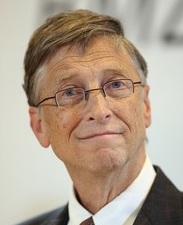
Bill Gates used the word “naive” — four times — to describe himself and his charitable foundation. It was a surprising admission coming from the world’s richest man. But the Microsoft co-founder seemed humbled that, despite an investment of $1 billion, none of the projects funded under the Gates Foundation’s “Grand Challenges” banner has yet made a significant contribution to saving lives and improving health in the developing world. “I was pretty naive about how long that process would take,” Gates told a gathering of nearly 1,000 people in Seattle. Read more.
Phi Beta Iota: Using kids to distribute money without doing your homework, to include holistic analytics and design, true cost economics, and — heavens — open source everything engineering — is not how you make impact investments.