Sequester Optionally Applied Only to Good Things
Spending cuts have been applied by Congress to both military and non-military spending.
In my view, the military cuts are much too small and the non-military cuts should not exist at all. In the view of most liberal organizations, the military cuts — like the military spending and the military itself — are to be ignored, while the non-military cuts are to be opposed by opposing all cuts in general.
But, guess what?
The spending limits on the military are being blatantly violated. Both houses of Congress have now passed military budgets larger than last year and larger than is allowed under the sequester.
Meanwhile the sequester is being used to cut away at all that is good and decent in public policy.
In fact, the House Appropriations Committee proposes to make up for its violation of the law on military spending levels by imposing yet bigger cuts to non-military spending. And what's the harm in that if all cuts are equally bad?
The sequester, like the anti-torture statute, the war crimes statute, the Fourth Amendment, the First Amendment, the Foreign Intelligence Surveillance Act, the Kellogg-Briand Pact, or the U.N. Charter, turns out to be one of those optional laws.
Laws are for certain people. The top general now being investigated as a whistleblower does not have a nude isolation cell at Quantico in his future, even though Bradley Manning was treated that way.
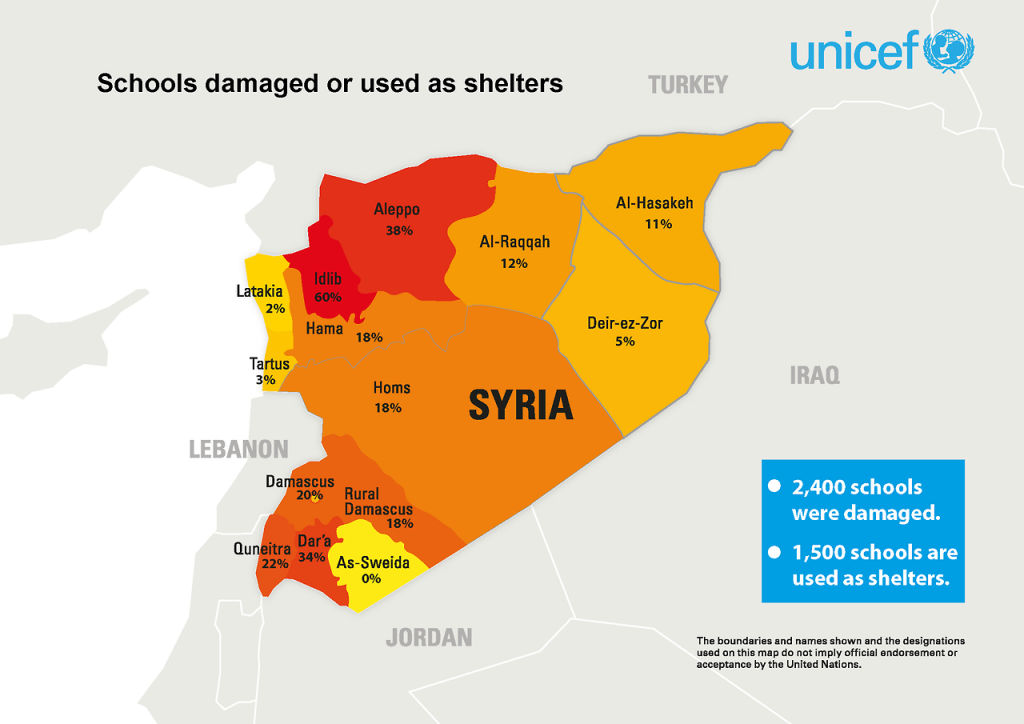
Laws are for certain things. Shooting children in a U.S. school is a crime. Dropping a missile on a foreign school is something more like law enforcement. Mothers in Yemen now teach their neighbors' children at home so that they can avoid going out to school while the drones are overhead. That's called freedom, the spread of democracy.
Continue reading “David Swanson: A Manifesto on the Fraudulent Sequester and “Optional” Laws”