Hancock says that this sudden decline in temperatures, was a direct result of an impact of a comet in North American ice caps that first led to floods followed by tidal waves and ultimately a vast cloud of dust into the upper atmosphere that enshrouded the entire earth for more than a thousand years, preventing the sun’s rays from reaching the surface, and setting off the Younger Dryas deep freeze.
Here is the truth about solar: The only thing blocking the transition out of the carbon age is investment not technology. No further technological advance needs occur, although many will. We have the ability to do this right now. It is a question of will and intent. The human species, expressed through national policy can condemn itself to what unremediated climate change deals us, or we can change the trend. It is about as stark a choice as one sees. I found this on a Russian website. RT seems to be the only publication covering the MIT report, which I think is very telling.
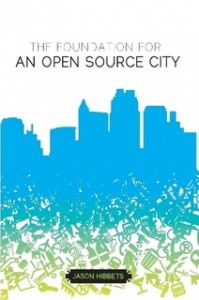
Explore the five elements of an open source city using Raleigh, North Carolina as a case study. See how the open source characteristics of collaboration, transparency, and participation are shaping the open government and open data movements. This book showcases the open source culture, government policies, and economic development happening in Raleigh and acts as a guide for other cities to pursue their open source city brand.
There's a world wide movement starting, to cover everyone's basic expenses. Imagine what this will do to free us up to actually participate in the political process, and to learn and teach … or to do that big project we always had to delay because we just couldn't find the time for it…
This once utopian vision is gaining ground, fast. A global network of academics, activists, non-governmental organisations (NGOs) and private groups are working towards the implementation of Basic Income Guarantees (BIGs) in some of the world's most impoverished regions. It is a small idea, both in terms of its simplicity and in terms of the sums of money involved. But it is having a big impact. In addition to reducing poverty and inequality, assessment results from pilot projects overwhelmingly indicate that providing a monthly income of only $10 to every person in some of the poorest communities on earth is good for business.
This is a game changer. If heroin can be brewed like beer, it will be. There will be no way to control this, and this in an already rising trend of opiate drug use. So we stand at a cross roads. We can continue the losing model we have followed for decades, an approach that is oh so profitable for corporations, law enforcement agencies, the judiciary, everyone whose budget lives on drugs, which has proven to be an an abject failure as social policy. Or we can take an entirely new compassionate and life-affirming tack, and recognize that drugs like heroin are taken by people who have issues that are so painful, drugs are the only thing offering surcease. That's the problem, not the drugs.