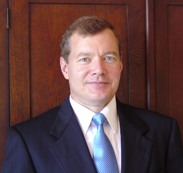
Parag Khanna, author of The Second World: Empires and Influence in the New Global Order has been honored with an invitation to TED 2009 and here is the 18 minute presentation that he gave on “Invisible Maps,” along with our notes.
Core point, very much simplified: most borders are artificial and underlying realities such as infrastructure (pipelines, access to the sea) and demogrpahics are better indicators of where we could be going. Artificial borders are a major cause of conflict and a major perpetuator of the arms industry.
Eastern Russia today has 6 million Russians, has become, with global warming, a potential breadbasket, and has attracted a huge influx of Chinese migrating north and north east.
China is the anchor for the Eastern Hemisphere, which also has more “global hubs” than the West.
The author's solution for both Kurdistan and Palestine is infrastructure, respecting the Kurds need for independence by acknowledging their grip on the pipelines, and giving the Palestinians the secure route between Gaza and the West Bank.
In the author's words, pipelines equal silk roads and counter the Great Game efforts to control and compete for control.