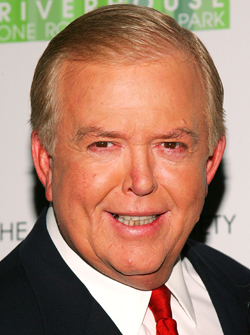
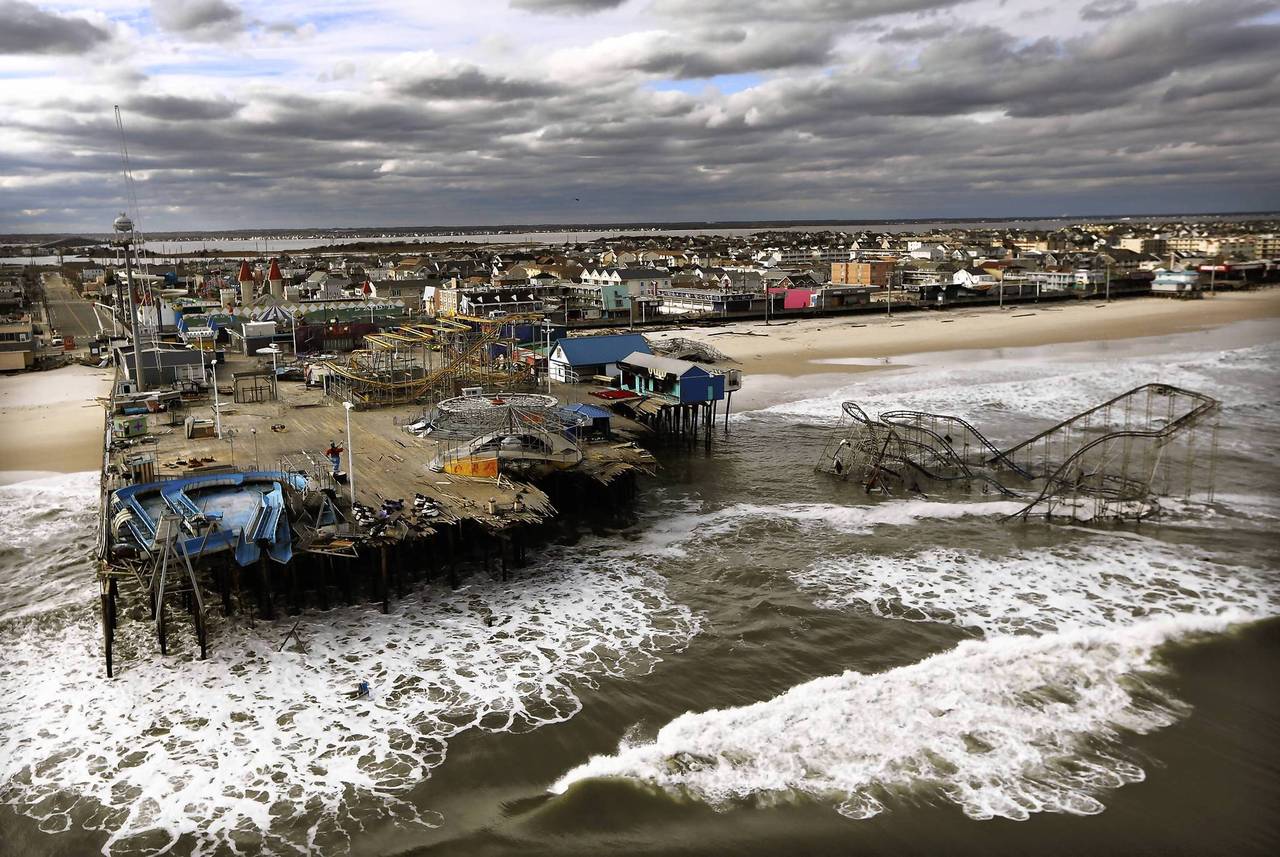
Speaking on Fox News today Lou Dobbs blasted the Obama Administration and Mayor “Talk to the Hand” Bloomberg. While he exaggerates in relation to Katrina and Bush being blasted (Sandy is 40,000 displaced persons, Katrina was 700,000), he does make the obvious point upon which we elaborate–where is the US military with General Purpose (GP) tents, cots, oil stoves, field kitchens, medical triage, and Internet cafes (many of the displaced have no power for their cell phones and their home phones are gone).
If Leon Panetta wanted to be useful today, both to the public and to the President facing defeat tomorrow, he could order the service chiefs to put every single displaced person under a warm GP tent before nightfall. If he and they cannot do that, we will have taken the measure of DoD here at home, and found it wanting.
We are waiting for a Situation Report from Col GI Wilson, USMC (Ret) and Team Rubicon, which received on demand mapping support from our network, instantly.
When Americans go to the polls on Tuesday, they will not just be choosing a president and members of Congress – there are 174 extra questions on the ballot in 38 states. And some go to the very heart of key issues in American society.
The corruption prohibition produces is so much more extensive than most people realize. An unholy alliance between governments and cartels and, like a cancer, is eating us alive from the inside. Here is a taste of reality that explains how so many feed at the narco-trough and why no one who is making this money, be they sheriff, legislator, or mule has any real interest in ending prohibition.
Lars Schall is a German financial journalist.
Oliver Villar is a lecturer in politics at Charles Sturt University in Bathurst, Australia, a country where he has lived for most of his life. He was born in Mendoza, Argentina. In 2008 he completed his PhD on the political economy of contemporary Colombia in the context of the cocaine drug trade at the UWS Latin American Research Group (LARG). Whilst completing his PhD, Villar's research interests in political economy, Latin America and the global drug trade followed teaching positions in politics at UWS and Macquarie University.
For the past decade his research has been devoted to the book (co-written with Drew Cottle) Cocaine, Death Squads, and the War on Terror: US Imperialism and Class Struggle in Colombia (Monthly Review Press, 2011). He has published broadly on the Inter-American cocaine drug trade, the US War on Drugs and Terror in Colombia, and US-Colombian relations. This abiding interest extends across economic thought, economic development and the development of social and political relationships between the First World and Third World (in particular between the United States and Latin America) and the impact of neoliberal economic globalization.
__________________
“If you look at the drug war from a purely economic point of view, the role of the government is to protect the drug cartel.” Milton Friedman
__________________
Lars Schall: What has been your main motivation to spend 10 years of your life to the subject of the drug trade?
This is an excellent and very insightful account of what has happened in Big Pharma's quest for profit above health. Although the physician author is based in the U.K., his comments apply to the U.S. as well. If it doesn't scare you, you're not paying attention. I hope all the physicians who are readers particularly take this to heart. Irving Kirsch, Associate Director of the Program in Placebo Studies, a lect! urer in medicine at the Harvard Medical School and Beth Israel Deaconess Medical Center, professor of psychology at Plymouth University in the United Kingdom, and professor emeritus of psychology at the University of Hull, United Kingdom, and the University of Connecticut has published many papers showing that anti-depressants in general do little better, or even not as well as placebos. It is hard not to see the entire anti-depressant industry as anything other than a multi-billion scam.
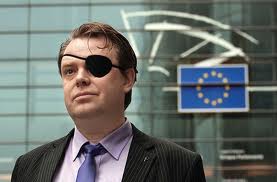
Activism – Wendy Cockcroft: Since ACTA was decisively beaten on 4th July 2012, the first time a free trade agreement had been scuppered by the people of EU member nations, the big business lobbyists have taken heed and resolved to change in order to be more successful. Hence the secrecy. CETA and the EU-India trade agreement are the next big battles. We need your help.
The term “Free Trade Agreement” is a misnomer. The idea is to remove barriers, taxes, and tariffs, but since people can end up being shackled to a multinational corporation’s agenda, the only freedom is in the ability of the corporations to operate in ways that often end up utterly destroying local economies or harnessing law enforcement agencies to protect their interests. The worst part is that we the taxpayers have to foot the bill for our losses of national sovereignty and civil rights. We saw ACTA off in July, but there are two more major agreements to deal with and we need to be ready to contact our M.E.P.s when the time comes.
Switzerland tops the list as the best country brand globally, according to the Country Brand Index, out today from global brand consultancy FutureBrand. As a symbol of economic, cultural and social stability in our tumultuous world, Switzerland “shows that the cultivation of freedom, tolerance, transparency and environmentalism can put a country’s brand ahead—even in difficult economic times,” says FutureBrand Global Chairman Chris Nurko. “On a human level, Switzerland is also a country geared around its people and their needs.” As a result, the country supplanted two-time leader Canada by scoring high marks in CBI’s Value System dimension, including impressive scores it the political freedom, environmental friendliness and stable legal environment attributes.