These are my words, reflecting what I learned in multiple funded trips to work with Dutch intelligence at various levels, and multiple conversation across various conferences I attended in Europe. This is more or less what I told George Tenet when he became DCI….to no effect, naturally.
1994 was a very stressful time in Dutch intelligence history. A scandal had erupted in which the Parliament was investigating Dutch intelligence intrusions with audio-video into the homes of specific Dutch citizens suspected of this and that. Parliament was so angry they threatened to cut all funding for all intelligence. Two very good things emerged from this:
The US claims it does not want to allow foreign intrusion into multi-stakeholder business, including the regulation of spam. The rest of the world sees the US as ignorant and arrogant, insisting on the rights of its telecommunications stakeholders as opposed to the rights of its own public and the public in the rest of the world.
The US, Canada, Australia and UK have refused to sign an international communications treaty at an conference in Dubai.
Phi Beta Iota: The US is being duplicitous here. What is really going on is that the telecommunications providers are using their illicit power over the US Government to block any democratization and coincident draconian reduction in cost of goods and services associated with the Internet. The real solution lies in Panarchy, in an Autonomous Internet that leverages Open Source Everything — the kind of thing we have proposed that Sir Richard Branson take the lead on with The Virgin Truth. The rest of the world is not stupid — the US position is not just unsustainable, it will lead, as its SWIFT sanctions against Iran led, to the rest of the world routing around the USA and ignoring the US Government. The era of imperial mandate is over. The US will be the last to read the memo.
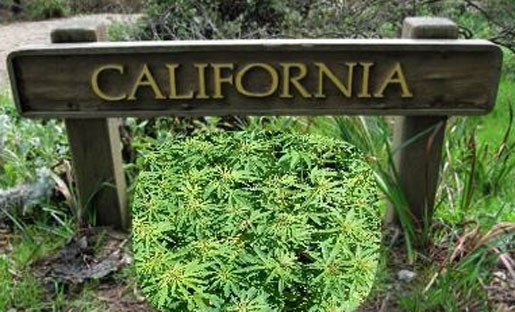
Marijuana advocates scored major victories at the polls in the U.S. November election. Voters approved ballot measures in Colorado and Washington that bucked federal law to legalize the drug’s recreational use. The victories could be short lived as the federal government ponders its response, but there has been a notable change in public sentiment. It’s now conceivable that marijuana could be legalized throughout more of the country, so we sought answers about who would profit from the end of its prohibition from William Martin, director of the Drug Policy Program at Rice University’s Baker Institute to learn more. Dr. Martin’s research focuses on ways to reduce the harms associated with both drug abuse and drug policy. Here’s what he had to say.
Click on Image to Enlarge
SmartPlanet: Is there momentum toward lifting the federal ban on marijuana, and who would profit from it?
Dr. William Martin: At this point, there is little expectation that Congress will lift the national prohibition of marijuana production, distribution, and use anytime soon. National change, when it comes, will follow in the wake of change at the state and local level.
At these lower levels, the financial benefits of legalization will fall into three major categories: profit, taxes, and savings related to law enforcement.
The market for marijuana is already large and will almost certainly grow substantially, though I suspect an initial surge will be followed by a drop-off after current non-users satisfy their curiosity.
Large profits await savvy and successful growers, sellers, and entrepreneurs in associated enterprises such as fertilizer and grow-light vendors; pipe, bong, and vaporizer manufacturers and dealers; banks and other financial-service providers; not to mention munchie-selling convenience stores and all-night diners. In addition, a once-thriving hemp industry could again produce high-quality cloth, paper, nutritious oil, and biodiesel fuel. Obviously, all of these businesses will need employees, providing another boost to the economy.
SP: Is a vice tax likely?
WM: I expect the taxes will be similar to those for alcohol and tobacco, about as high as the traffic will bear. But as noted before, there’s a ceiling. Set it too high and folks will either go back to the black market or grow their own.
SP: How much tax revenues would pot bring into these cash strapped state governments?
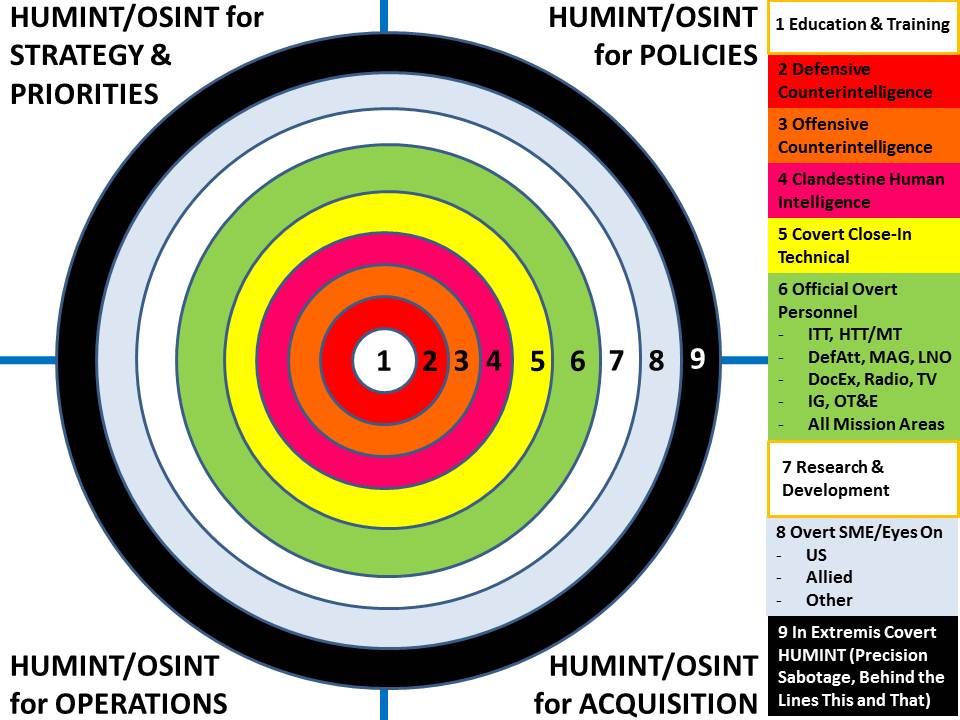
UPDATED 27 Dec 2012. Citation: Robert David Steele, “Graphic: Integrated HUMINT/OSINT Management for Defense & Service Strategy & Priorities, Policies, Acquisition, & Operations,” Phi Beta Iota the Public Intelligence Blog, 27 December 2012
According to articles in the links below (and elsewhere) Iceland
* crowdsourced its new constitution with mass participation and elected delegates to a Constituent Assembly
* made investors and bankers – not taxpayers – pay for the economic crash (it didn't bail out the banks)
* took legal action against individuals responsible for the crash
* expanded its social safety net in the midst of the downturn
* built an economy with a very high percentage of renewable energy
* is establishing some of the strongest freedom of information, journalistic, and whistle-blower protections in the world
* AND has an economic recovery that the International Monetary Fund calls “impressive”
What a shame they have had so little mainstream media coverage in the U.S….