In a fresh embarrassment for The New York Times, a photographic forensic expert has debunked a new amateurish, anti-Russian analysis of satellite photos related to the shoot-down of Malaysia Airlines Flight 17 over eastern Ukraine in 2014, labeling the work “a fraud.” . . . But Kramer and the Times left out that the earlier Bellingcat analysis was thoroughly torn apart by photo-forensic experts including Dr. Neal Krawetz, founder of the FotoForensics digital image analytical tool that Bellingcat had used. Over the past week, Bellingcat has been aggressively pushing the new analysis by armscontrolwonk.com, with which Bellingcat has close relationships.
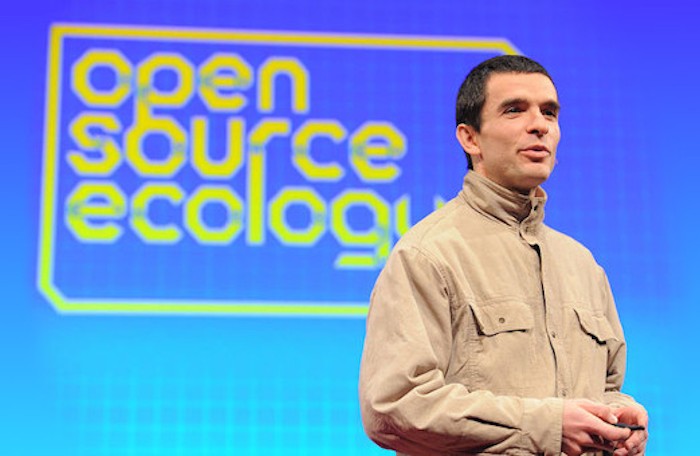
ROBERT STEELE: I cannot over-state the importance of the work that Dr. Marcin Jakubowski and his team are doing with Open Source Ecology and the Global Village Construction Set. They have added a plastic recycling and printing machine to the latter. Now they need your help raising the last $8,000 in a $75,000 campaign at kick-starter to build an Open-Source House Tool-Kit, all plans free online. Use the link below to become a referrer, make 10%, and help this worthy project in its final ten days of fund-raising.
We recently published our submission to the Libraries Taskforce consultation about its draft strategy – Libraries Deliver: An Ambition for Public Libraries in England 2016-21. Today, we want to say a bit more about our having called upon the Taskforce to explore the opportunities for public libraries that could flow from the growth of the ‘sharing economy’ and, in particular, moves to establish Platform Cooperatives.
On 27 May the Competitiveness Council in Brussels announced a European decision to achieve Open Access to all scientific research data by 2020. This decision, and the implementing European framework programme for research and innovation Horizon 2020, will be recognized by future generations as the first serious step toward the creation of a prosperous world at peace. With this one decision Europe is turning away from centuries of war and waste; away from scientific reductionism, away from corporate ownership of public knowledge, away from legal barriers to innovation, and away from government neglect of the public interest.
All scientific articles in Europe must be freely accessible as of 2020. EU member states want to achieve optimal reuse of research data. They are also looking into a European visa for foreign start-up founders.
Phi Beta Iota: The cash flow positions of Thomson Reuters, Elsevier, and Bloomberg are strong for now, the mind-sets appear less so.
The Common Search Project has a simple and straightforward mission statement. They want a nonprofit search engine, an alternative to the companies currently running the Internet (ahem, Google.) They are extremely polite in their venture, but also firmly invested in three qualities for the search engine that they intend to build and run: openness, transparency, and independence. The core values include,
“Radical transparency. Our search results must be explainable and reproducible. All our code is open source and results are generated only using publicly available data. Transparency also extends to our governance, finances and day-to-day operations.
Independence. No single person, company or special interest must be able to influence the order of our search results to their benefit. …
Public service. We want to build and operate a free service targeted at a large, mainstream audience.”