Phi Beta Iota: Another phenomenal personal effort by John Maguire. Inspiration in our darkest hour of betrayal. People with integral consciousness can nueralize traitors and criminals destroying the Commonwealth, BUT that universal consciousness must emerge first. Start now — watch this video (5 minutes, 19 seconds).
It applies to statements made about that universe. It applies to factual language.
Many wonderful things can be done with logic. Don’t leave home without it. Don’t analyze information without it.
But art and imagination are of another universe(s). They can deploy logic, but they can also invent in any direction without limit, and they can embrace contradiction. They can build worlds in which space and time and energy are quite different.
Magic is nothing more and nothing less than imagination superseding this universe. People have all sorts of crazy ideas about it, mostly prompted by organized religion, but magic occurs when imagination takes this reality for a ride.
This, more than any story I have read in years, shows the absolute corruption and immorality of American healthcare. The ACA does very little to change this. It is simply not possible to have a genuine healthcare system when profit is more important tha! n health. Until we acknowledge that America will always be second class when it comes to the wellness of its people.
When driven by fear, human beings generally go to one of three places:
1)They get stuck.
2)They solve problems that don’t exist.
3)They focus on the wrong problem—which is low leverage and doesn’t deliver the result they want.
In the Industrial Revolution, scientific management principles emerged to cope with the need to produce more, better, faster. And it worked.
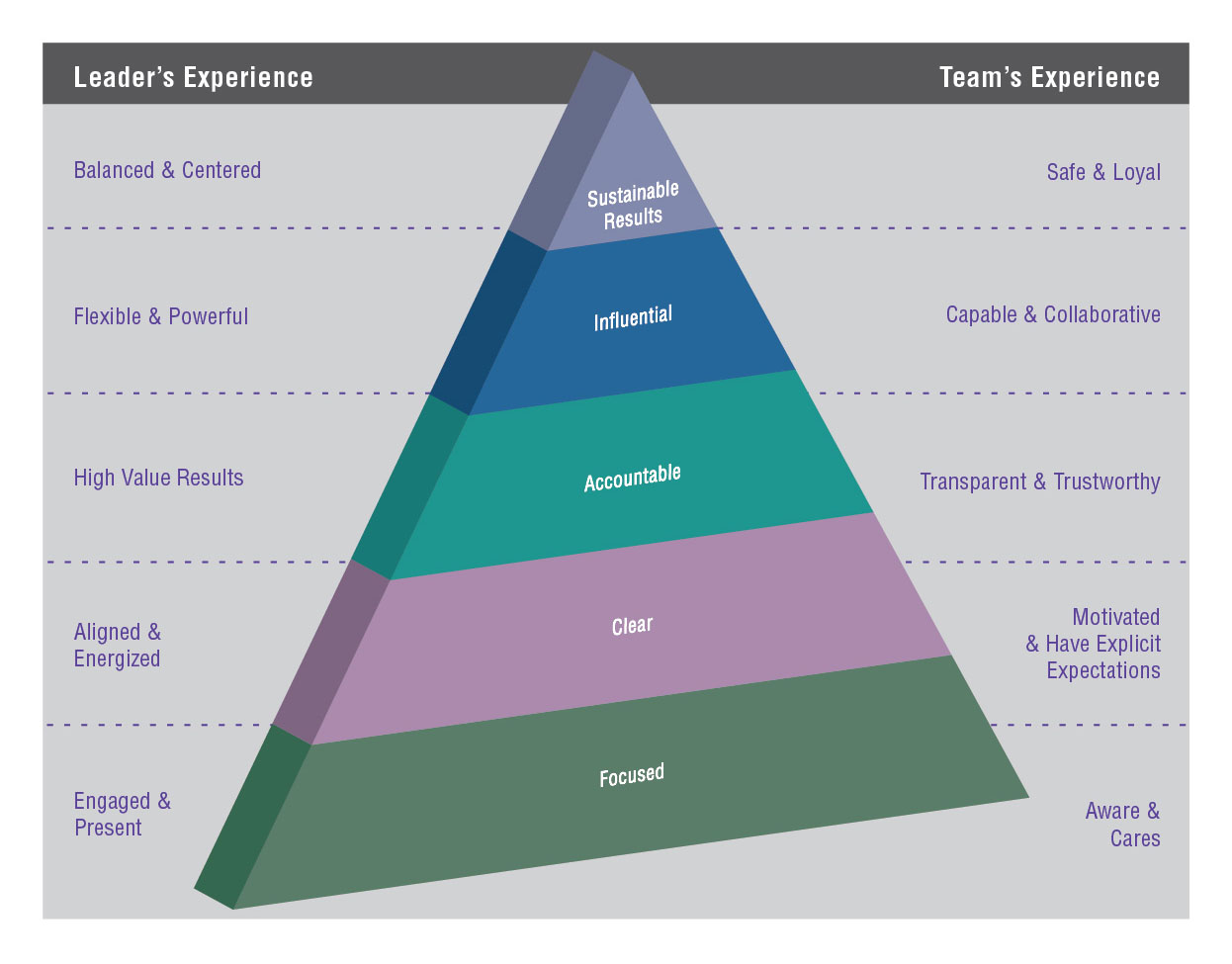
Click on Image to Enlarge
But not anymore.
This “Old School” management style is synonymous with what many people think is leadership. This model operates on fear—the team member must perform or we’ll remove their ability to pay their mortgage, kids’ educational expenses, etc. Fear pushes people to take action.
In the Information Age, some of these principles and practices are still sound–hey, let’s not throw the baby out with the bathwater–but some feel as obsolete as the Ford Edsel they were designed to produce. I have noticed that leaders who are able to grow their organizations rapidly in the face of accelerating technological and societal change—the people who create and foster innovation—exhibit certain characteristics. I call these characteristics “SmartTribe Accelerators.”
In article below, Ricks is oversimplistic. Quality may be more important than quantity, but a certain amount of quantity is essential. We may not have months available for a buildup as in ODS/S and OIF. Capability and capacity are both required.)
Thomas E. Ricks is an adviser on national security at the New America Foundation, where he participates in its “Future of War” project. A former Post reporter, he has written five books about the U.S. military, most recently “The Generals: American Military Command From World War II to Today.”
Want a better U.S. military? Make it smaller. The bigger the military, the more time it must spend taking care of itself and maintaining its structure as it is, instead of changing with the times. And changing is what the U.S. military must begin to do as it recovers from the past decade’s two wars.
For example, the Navy recently christened the USS Gerald R. Ford , an aircraft carrier that cost perhaps $13.5 billion. Its modern aspects include a smaller crew, better radar and a different means of launching aircraft, but it basically looks like the carriers the United States has built for the past half-century. And that means it has a huge “radar signature,” making it highly visible. That could be dangerous in an era of global satellite imagery and long-range precision missiles, neither of which existed when the Ford’s first predecessors were built. As Capt. Henry Hendrix, a naval historian and aviator, wrote this year, today’s carrier, like the massive battleships that preceded it, is “big, expensive, vulnerable — and surprisingly irrelevant to the conflicts of the time.” What use is a carrier if the missiles that can hit it have a range twice as long as that of the carrier’s aircraft?
Donors in Saudi Arabia have notoriously played a pivotal role in creating and maintaining Sunni jihadist groups over the past 30 years. But, for all the supposed determination of the United States and its allies since 9/11 to fight “the war on terror”, they have showed astonishing restraint when it comes to pressuring Saudi Arabia and the Gulf monarchies to turn off the financial tap that keeps the jihadists in business.