
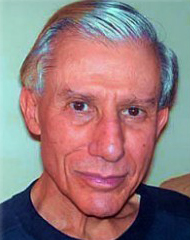
On December 5, Mandela died peacefully at home in Johannesburg. Cause of death was respiratory failure. He was 95.
Supporters called him a dreamer of big dreams. His legacy fell woefully short. More on that below.
“The ANC has never at any period of its history advocated a revolutionary change in the economic structure of the country, nor has it, to the best of my recollection, ever condemned capitalist society.”
In 1964, he was sentenced to life in prison. He was mostly incarcerated on Robben Island. It’s in Table Bay. It’s around 7km offshore from Cape Town.
In February 1990, he was released. In 1993, he received the Nobel Peace Prize jointly with South African President FW de Klerk.
Nobel Committee members said it was “for their work for the peaceful termination of the apartheid regime, and for laying the foundations for a new democratic South Africa.”
De Klerk enforced the worst of apartheid ruthlessness. In 1994, Mandela was elected president. He served from May 1994 – June 1999.
He exacerbated longstanding economic unfairness. He deserves condemnation, not praise.
John Pilger’s work exposed South African apartheid harshness. Doing so got him banned. Thirty years later he returned.
He wanted to see firsthand what changed. He interviewed Mandela in retirement. His “Apartheid Did Not Die” documentary followed.
Continue reading “Stephen Lendman: Mandela's Disturbing Legacy”


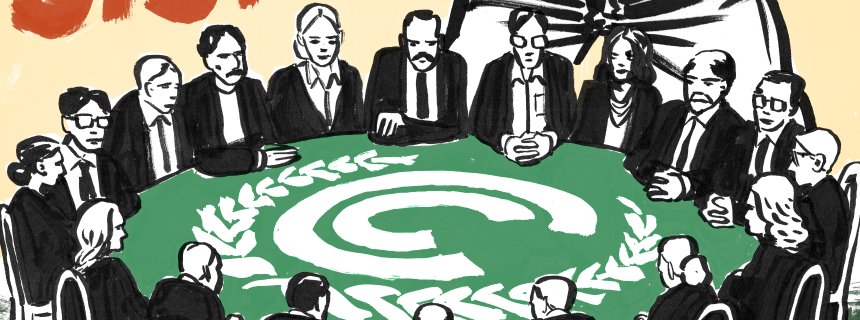





Funding The Syrian Insurgency was written almost five months ago and it references a 2006 paper by economist Paul Coller, Economic Causes of Civil Conflict and their Implications for Policy. Summarizing to a single sentence, insurgencies market themselves to claim moral high ground, but they always have an illicit network exploiting local opportunity, and they often devolve into regional mafias (think: Colombia’s FARC) once their political objectives are met.
National Defense University’s Convergence is a collected series of papers on the nature of illicit networks that support insurgencies. Afghanistan has a variety of such entities, from the Haqqani Network, which may or may not be cozy with Pakistan’s ISI, to Iranians on the opposite side of the country, more focused on revenue than any political objective.