Yoda: China — A Focal Point

02 China, 03 Economy, 03 Environmental Degradation, 07 Health, 11 Society, Earth Intelligence
Got Crowd? BE the Force!

To be Jedi is to face the truth, and choose. Give off light, or darkness, Padawan. Be a candle, or the night.

–YODA, Dark Rendezvous

China's Urban Air Kills Rural Plants

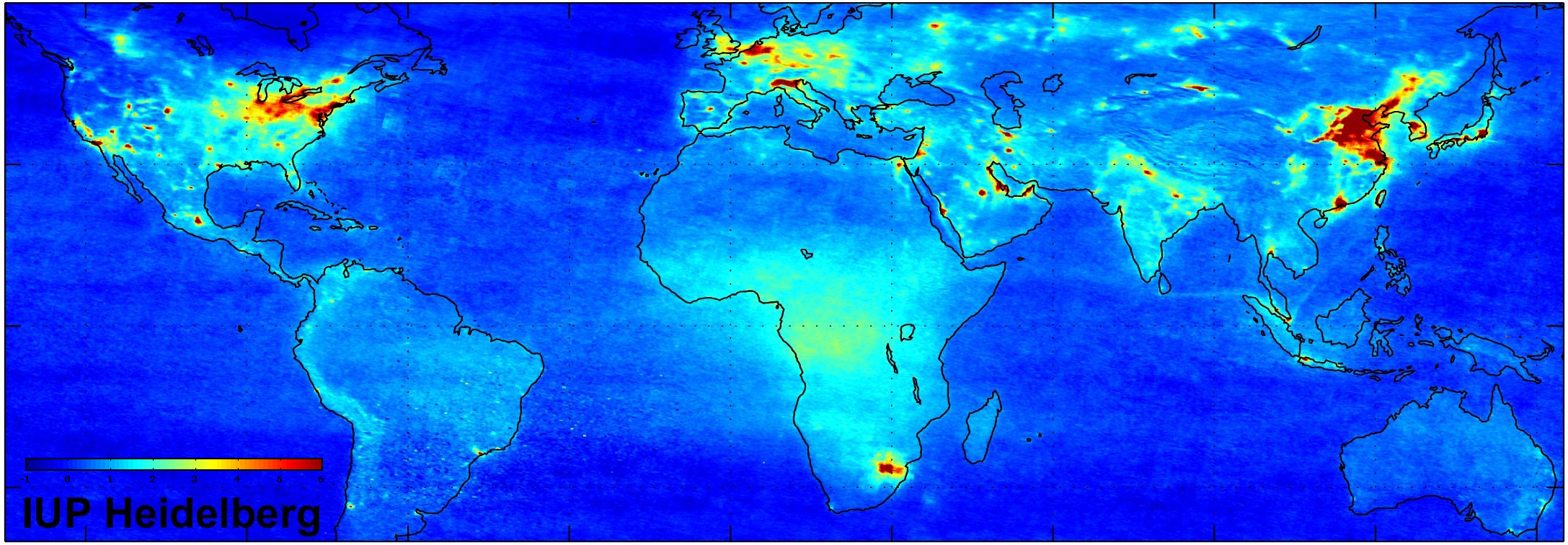
As people in Beijing and northern China struggle with severe air pollution this winter, the toxic air is also making life hard for plants and even food crops of China, say researchers who have been looking at how China's plants are affected by air pollution.
china pollutionBeijing's extreme smog event this week has made headlines, with the American Embassy calling the pollution levels “hazardous” and Beijing writer Zheng Yuanjie blogging that “the air smells like sulfur perfume, as the capital city currently looks like a poisonous huge gas can,” according to a report on Al Jazeera.
BLOG: 7 of 10 Most Air-Polluted Cities Are in China

“In the last 50 years there has been a 16-fold increase in ozone pollution” in the Beijing area, said Hanqin Tian of Auburn University in Alabama, who studies the effects of China's pollution and climate change on plants. He said the soup of pollutants, including harmful sulfur and nitrogen compounds “is definitely expanding into new areas; into the countryside.”

Read full article.

Click on Image to Enlarge

Continue reading “Yoda: China — A Focal Point”

Warren Edward Pollock: Ann Barnhardt on the Record — SENTINEL & Other Frauds Stealing Your Future

03 Economy, 09 Justice, 10 Transnational Crime, 11 Society, Commerce, Commercial Intelligence, Corruption, Government, Law Enforcement
Warren Edward Pollock

Published on Jan 16, 2013

Ann Barnhardt – August 14, 2012 – reposted by request

This was the 2007 pre-fraud, with full complicity from the US Government which “did not understand” and therefore “went ahead and signed off.”  As Ann calls it, “evil incompetence” combined with malicious auditing and malicious litigation used to silence critics.  Customer segregated funds no longer off limits, allows banks to use customer funds as collateral to fund proprietary bank speculation.

Phi Beta Iota: This is a video that should go viral. Bottom line: the US legal system is corrupt to the bone and no longer represents “Justice.”

SchwartzReport: Mercury Poisoning Going Critical

03 Economy, 03 Environmental Degradation, 05 Energy, 07 Health, 11 Society

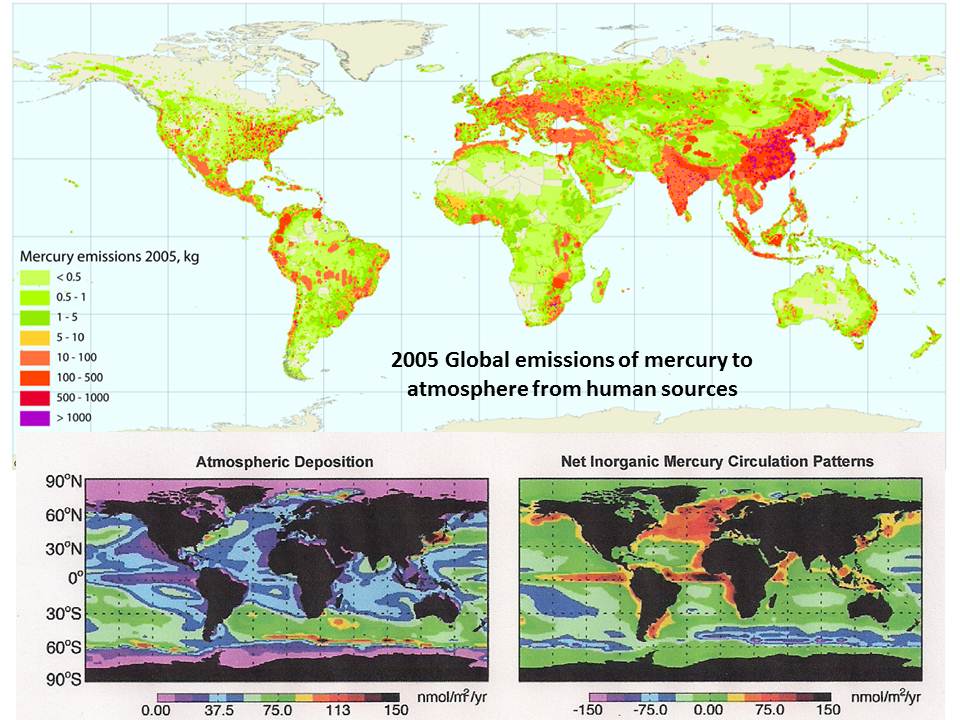
schwartz reportMercury poisoning is a growing global menace we have to address

As the US knows to its cost, coal-fired power is a major cause of mercury pollution. The world needs a treaty tough on emissions

and

guardian.co.uk,

Click on Image to Enlarge

Next week, diplomats from around the world will gather in Geneva to negotiate a treaty on global emissions of mercury – a lethal neurotoxin that includes, among an inventory of grim effects, brain damage and the loss of IQ points in unborn children, injuries to kidneys and heart, and results in tens of billions of dollars in healthcare costs every year in the US alone. The Geneva conference is the final of five meetings, with a treaty expected soon thereafter.

While global mercury emissions are on the rise, negotiators, unfortunately, appear to be leaning towards a treaty with soft measures unlikely to prevent continued catastrophic impacts from this deadly and debilitating poison. Ironically, signatories propose to ink their treaty in Minamata, Japan, a town that famously suffered widespread mercury poisoning.

Health experts first described mercury poisoning, then called “Minamata disease”, in Minamata city, in Japan, in 1956. Mercury discharges from the Chisso chemical plant contaminated finfish and shellfish, devastating the community's human and animal population for decades. Many of the region's citizens died and tens of thousands of people suffered mercury-related illnesses.

Continue reading “SchwartzReport: Mercury Poisoning Going Critical”

Michel Bauwens: Crowdsourcing Economic Recovery

03 Economy, Crowd-Sourcing
Michel Bauwens
Michel Bauwens

Crowdsourcing our economic recovery

Van Jones

CNN, 8 January 2012

Editor's note: Van Jones, a CNN contributor, is president and founder of Rebuild the Dream, an online platform focusingon policy, economics and media. He was President Obama's green jobs adviser in 2009. He is also founder of Green for All, a national organization working to build a green economy.

(CNN) — We are not living up to the promise of the American Dream.

Even now, our leaders are talking about cutting, instead of creating jobs to grow our way out of the deficit. Congress is ignoring big problems, congratulating itself on avoiding a fiscal cliff of its own creation. The federal budget props up broken parts of our economic system — big banks, big polluters and big defense contractors — instead of investing in areas such as education and infrastructure that would benefit everyone.

Now, a new breed of companies is leveraging the power of networks and sharing — and showing us what a more sustainable, prosperous future can look like.

One of the most well-known examples is Zipcar. Its tagline, “wheels when you want them,” pretty much sums up the company. Zipcar was just bought by rental giant Avis Budget Group for nearly $500 million as part of Avis' push to compete with Hertz's and Enterprise's new car-sharing services. The demographics of car-sharing customers holds promise for future growth as younger, tech-savvy consumers tend to prefer sharing services.

Then there is Mosaic, a new addition to the share economy. Mosaic just launched the first online clean energy investment marketplace.

Read full article.

Rickard Falkvinge: Nokia (Microsoft) Wire Tapped All of Its Own Encrypted Cell Phones Including Bank Transfer Information

03 Economy, 09 Justice, 10 Security, 11 Society, Commerce, Corruption, IO Impotency, Officers Call
Rickard Falkvinge
Rickard Falkvinge

Death Twitches: Nokia Caught Wiretapping Encrypted Traffic from Its Handsets

Nokia, the cellphone manufacturer, has been listening in to all encrypted communications from its handsets. Every connection advertised as secure – banking, social networks, dating, corporate secrets – has been covertly wiretapped by Nokia themselves and decrypted for analysis.

Security researcher Gaurang posted an article on January 5 about some unexpected behavior with their Nokia handset. It would appear that the browser traffic from the handset would get diverted through Nokia’s servers.

Then, a followup article on January 9 dropped the bomb, and the article goes into quite technical detail: It wasn’t enough that Nokia diverted all traffic from its handsets through its own servers, it also decrypted the encrypted traffic, re-encrypting it before passing it on, issuing HTTPS certificates on the fly that the Nokia phone has been instructed to trust as secure.

This means that Nokia has deliberately been wiretapping all traffic that has been advertised as encrypted on Nokia handsets – including but not limited to banking, dating, credit card numbers, and corporate secrets – and looking at your secrets in cleartext.

This means that Nokia puts itself between your bank and you, and presents itself as YourBank, Inc. to your phone. This wouldn’t normally be possible, if it weren’t for the fact that the phone had been specifically designed for this deceptive behavior, by installing a Nokia signing certificate on the phone.

Nokia has confirmed this behavior in correspondence with TechWeek Europe (my highlights):

Read full article.

SmartPlanet: Half of All Food Wasted

01 Agriculture, 03 Economy, 06 Family, 07 Health, 09 Justice, 11 Society, Commerce, Corruption, Government, Idiocy

smartplanet logoHalf of all food wasted

By | January 10, 2013

The world throws away up to half of its food according to an alarming report that blames consumers’ fussy preference for cosmetically appealing produce, supermarket promotions that encourage overbuying, and deficient storage, transportation and agricultural practices.

Between 1.2 billion and 2 billion metric tons of food – out of the 4 billion produced annually – never reaches a human stomach, the UK’s Institution of Mechanical Engineers says in Waste Not Want Not – Global Food Waste: Feeding the 9 billion.

“The amount of food wasted and lost around the world is staggering,” says Tim Fox, IME’s head of energy and environment. “This is food that could be used to feed the world’s growing population – as well as those in hunger today. It is also an unnecessary waste of the land, water and energy resources that were used in the production, processing and distribution of this food.

“The reasons for this situation range from poor engineering and agricultural practices, inadequate transport and storage infrastructure through to supermarkets demanding cosmetically perfect foodstuffs and encouraging consumers to overbuy through buy-one-get-one-free offers.”

Continue reading “SmartPlanet: Half of All Food Wasted”

NIGHTWATCH: Chinese Using Senkaku Islands Dispute to Experiment with Managing “Total War” Across All Domains

02 China, 03 Economy, 04 Inter-State Conflict, 10 Security, 11 Society, IO Sense-Making

Japan-China: Bloomberg has published an excellent report that describes the economic consequences of Japan's dispute with China over ownership of the Senkaku Islands. No other news outlet has published a comparably insightful and detailed account.

The first point the journalists made is that trade relations between China and Japan multiply the costs of a territorial dispute. Japan's trade with China is valued at more than $300 billion per year, which is potentially at risk.

A Chinese boycott of Japanese imports would hurt China but might already have resulted in a reduction of GDP, according to Bloomberg citing JPMorgan Chase, because of reduced Chinese purchases of Japanese goods.

Ripple effects in China from boycotts of Japanese manufactures put at risk the jobs of millions of Chinese who work in Japanese industries in China. Japanese auto sales declined. Air travel cancellations increased in both countries. One Japanese department store retailer closed 60 of 169 stores because of anti-Japanese vandalism and threats.

Comment: The key point is that global economic integration magnifies the consequences of international disputes. Interdependency means both sides seriously suffer economically, although security incidents result in no casualties. Japan might have sustained a .5 per cent decline in GDP in the last quarter of 2012, essentially because of Chinese hostile, nationalistic responses to the islands dispute.

Both sides got hurt, but China can absorb the consequences more than Japan.

Another key point is that the dispute shows how the Chinese fight in every kind of battle space – at sea, in the air, on the land, in cyber space, in international political space and in economic space. Total warfare means total to the Chinese. They are experimenting with that in the Senkakus dispute.

Continue reading “NIGHTWATCH: Chinese Using Senkaku Islands Dispute to Experiment with Managing “Total War” Across All Domains”

noble gold