Using two one-atom-thick materials, scientists have created a high-functioning yet cheap ultracapacitor. The creation of the ultracapacitor was made possible after mixing graphene flakes with single-walled carbon nanotubes. This groundbreaking device is actually an energy storage device well capable of creating surges by rapidly releasing the power.
The ultracapacitors can play a significant role in boosting devices like electric vehicles, handled electronics, audio systems and more. What all is needed to be done for this is to combine the power of the energy-density of batteries and the high power-density of capacitors, an American Institute of Physics news release reported.
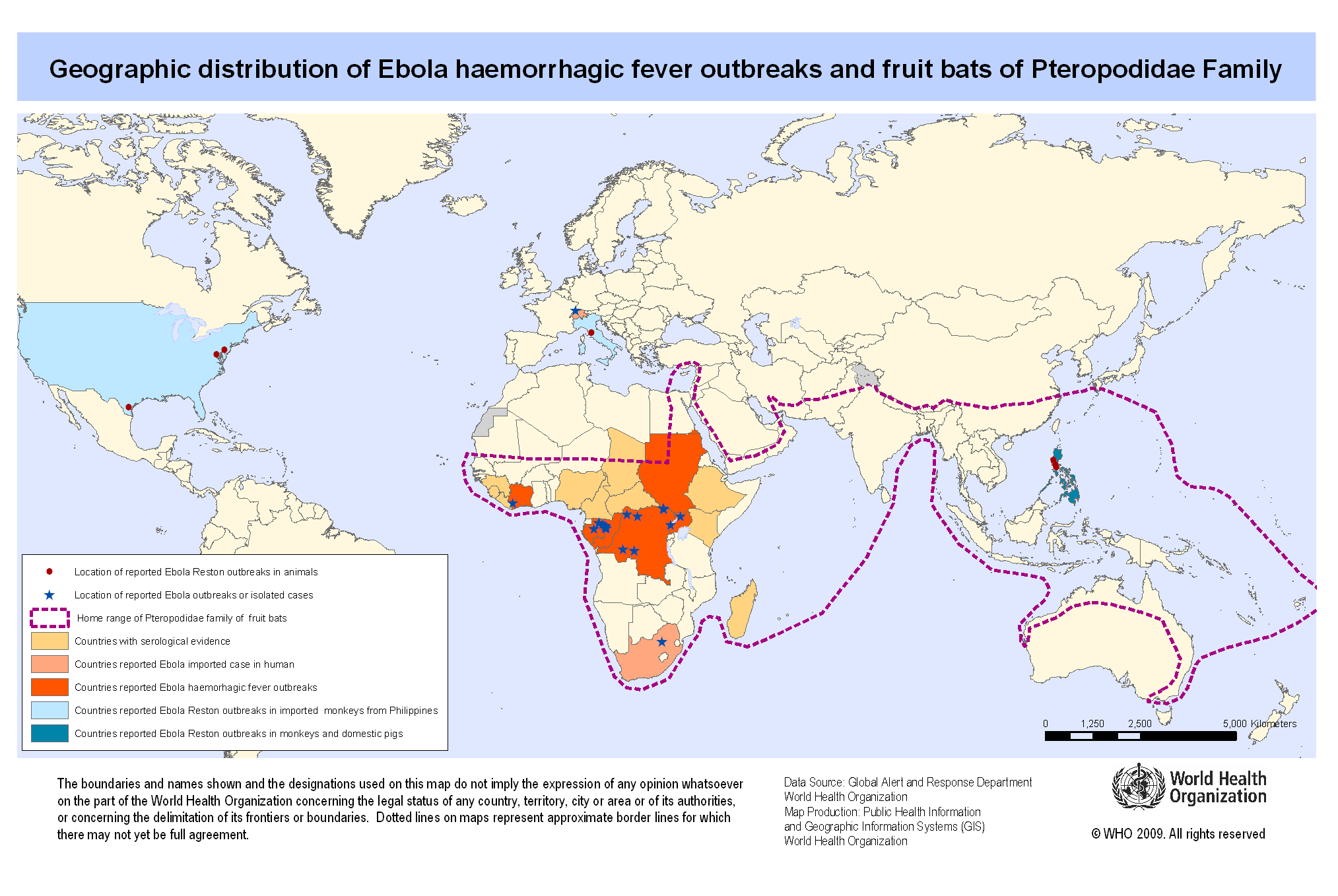
The outbreak of Ebola Virus in seven west African countries has broken through all containment efforts and is spreading like wildfire. According to Christian Relief groups working in Guinea and Liberia, the number of confirmed infections jumped 15% in just the last 24 hours. In addition, 40 illegal alien migrant workers from the outbreak area, who came ashore in Pisa, Italy, are showing signs of Ebola infection and are being isolated in Pisa Italy because of fever and “conjunctivitis” (bloody around the eyes). According to the World Health Organization, this strain of Ebola is entirely new and although it is close to the Zaire strain, it is different, thus accounting for false-negative test results . . . . . for weeks!
Those false-negative results meant people who were actually infected with Ebola, were returned to their families and neighborhoods to recover from what they believed was the Flu or a case of food poisoning, only to spread the Ebola further.
The result has been a complete loss of containment of this Ebola outbreak.
With the likely arrival of Ebola in Pisa, Italy, the European continent is now at severe risk.
Here is the Koch brothers' latest move. These are evil people. Homeowners and businesses that wish to generate their own cheap, renewable energy now have a force of conservative political might to contend with, and the Koch brothers are leading the charge. The L.A. Times, to its credit, found the positive spin to put on this: Little old solar ‘has now grown big enough to have enemies.”
Meet ‘photoswitches,' a breakthrough set of materials that act as their own batteries, absorbing energy and releasing it on demand.
The next big thing in solar energy could be microscopic.
Scientists at MIT and Harvard University have devised a way to store solar energy in molecules that can then be tapped to heat homes, water or used for cooking.
The best part: The molecules can store the heat forever and be endlessly re-used while emitting absolutely no greenhouse gases. Scientists remain a way’s off in building this perpetual heat machine but they have succeeded in the laboratory at demonstrating the viability of the phenomenon called photoswitching.
“Some molecules, known as photoswitches, can assume either of two different shapes, as if they had a hinge in the middle,” MIT researchers said in statement about the paper published in the journal Nature Chemistry. “Exposing them to sunlight causes them to absorb energy and jump from one configuration to the other, which is then stable for long periods of time.”
Rasmussen is a right leaning survey operation. I mention this because context matters and a Right leaning poll with these results is worthy of close attention. I think this is telling us that the basis of trust upon which our democracy was based is eroding as quickly as the ice sheet covering Greenland.
Thirty-seven percent (37%) of Likely U.S. Voters now fear the federal government, according to a new Rasmussen Reports national telephone survey. Forty-seven percent (47%) do not, but another 17% are not sure.
Perhaps in part that’s because 54% consider the federal government today a threat to individual liberty rather than a protector. Just 22% see the government as a protector of individual rights, and that’s down from 30% last November. Slightly more (24%) are now undecided. (To see survey question wording, click here.)
As recently as December 2012, voters were evenly divided on this question: 45% said the federal government was a protector of individual rights, while 46% described it as a threat to those rights.
Two-out-of-three voters (67%) view the federal government today as a special interest group that looks out primarily for its own interests. Just 17% disagree, while 15% are undecided.
A new scientific report took into account 1,779 policy issues as well as many variables and found that the people of the United States have little, if any, say in the policies that impact them. You won't believe the rest.