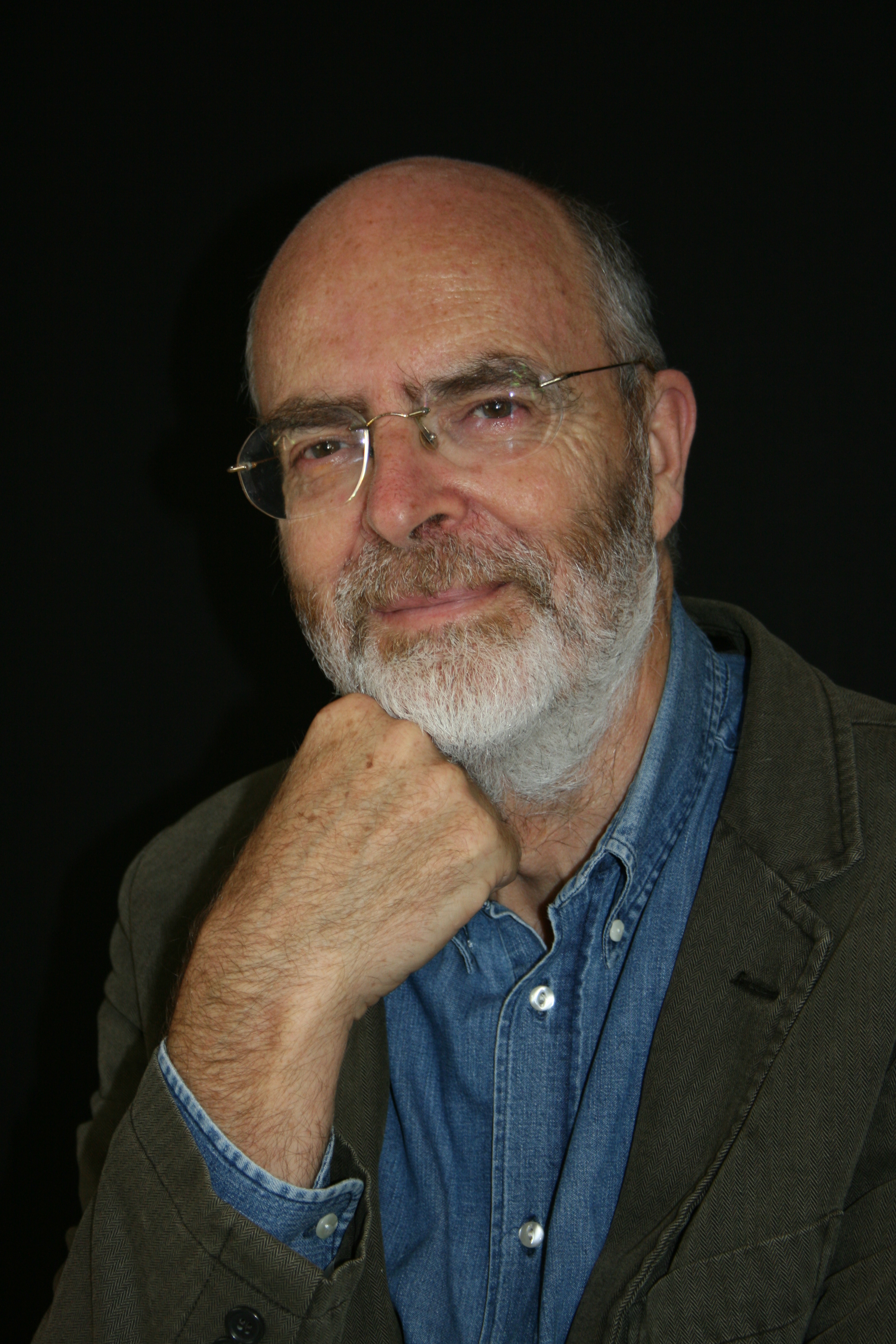
Daniel Ellsberg: On Secrecy & Whistleblowing with Comment by Robert Steele

Cultural Intelligence, Ethics, Government
Daniel Ellsberg
Daniel Ellsberg

Secrecy and National Security Whistleblowing

Daniel Ellsberg on January 8, 2013

[Originally published in Social Research]

I) Reflections on Secret-keeping and Identity

In the “national security” area of the government–the White House, the departments of state and defense, the armed services and the “intelligence community,” along with their contractors–there is less whistleblowing than in other departments of the executive branch or in private corporations. This despite the frequency of misguided practices and policies within these particular agencies that are both more well-concealed and more catastrophic than elsewhere, and thus even more needful of unauthorized exposure.

The mystique of secrecy in the universe of national security, even beyond the formal apparatus of classification and clearances, is a compelling deterrent to whistleblowing and thus to effective resistance to gravely wrongful or dangerous policies. In this realm, telling secrets appears unpatriotic, even traitorous. That reflects the general presumption–even though it is very commonly false–that the secrecy is aimed not at domestic, bureaucratic or political rivals or the American public but at foreign, powerful enemies, and that breaching it exposes the country, its people and its troops to danger.

Even those insiders who have come to understand that the presumption is frequently false and that particular facts are being wrongly and dangerously kept secret not so much from foreigners but from Congress, courts or the public are strongly inhibited from speaking out by an internalized commitment to keep official secrets from outsiders, which they have promised to do as a condition of employment or access.

Complete post by Ellsberg below the line.

Continue reading “Daniel Ellsberg: On Secrecy & Whistleblowing with Comment by Robert Steele”

Berto Jongman: BBC Charts Botnet Industry

10 Transnational Crime, IO Impotency
Berto Jongman
Berto Jongman

Botnets: Hi-tech crime in the UK [and Elsewhere]

By Mark Ward

Botnets are more than a nuisance, they are also a business. A very big business.

The millions of machines in these global networks are the powerhouse of the net's underground economy. Industries have sprung up dedicated to creating them and keeping them running.

But how do you make money from a botnet? Let us count the ways.

Read more.

SchwartzReport: BP Spill Kills Dolphins, Blinds Shrimp – Is BP Murdering Lawmakers to Ease Its Way Out? + BP Gulf RECAP

03 Economy, 07 Health, 09 Justice, 11 Society, 12 Water, Commerce, Corruption, Earth Intelligence

schwartz reportOne clearly sees the character of these corporations in times of disaster. They have obviously spent billions developing extraction technologies, and virtually nothing on how to cope with what happens if it all goes wrong. Here is as clear an example as anyone could provide.

Dead Dolphins and Shrimp With No Eyes Found After BP Clean-up
EMILY DUGAN – The Independent (UK)

Hundreds of beached dolphin carcasses, shrimp with no eyes, contaminated fish, ancient corals caked in oil and some seriously unwell people are among the legacies that scientists are still uncovering in the wake of BP's Deepwater Horizon spill.

This week it will be three years since the first of 4.9 billion barrels of crude oil gushed into the Gulf of Mexico, in what is now considered the largest marine oil spill in the history of the petroleum industry. As the scale of the ecological disaster unfolds, BP is appearing daily in a New Orleans federal court to battle over the extent of compensation it owes to the region.

Read full article.

Continue reading “SchwartzReport: BP Spill Kills Dolphins, Blinds Shrimp – Is BP Murdering Lawmakers to Ease Its Way Out? + BP Gulf RECAP”

Berto Jongman: cyber pearl harbor panel discussion – 22 Years Late

IO Impotency
Berto Jongman
Berto Jongman

Panel Talks About Detecting, Thwarting Cyber Attack

Space Foundation, 04/08/2013

Can the U.S. detect, thwart and respond to a cyber offensive that would leave our nation vulnerable to other, possibly more conventional, offensive efforts? Visions of a “Cyber Pearl Harbor” are forcing decision makers to take steps to avoid such a calamity.

Read more.

Continue reading “Berto Jongman: cyber pearl harbor panel discussion – 22 Years Late”

DefDog: North Korea — No War, Leaders in Luxury, Country in Famine

01 Poverty, 04 Inter-State Conflict, 06 Family, 08 Wild Cards, 11 Society
DefDog
DefDog

A good read, ring of authenticity.

Never mind nuclear war, says North Korean defector Joo-il Kim, the reality of famine is bad enough

Joo-il Kim believes the rhetoric is just a distraction

Rob Hastings

Independent, 14 April 2013

EXTRACT

While he agrees that the current stand-off is more serious than previous events, he remains confident there will not be conflict. “This current regime does not want a war,” he tells me through a translator. “The people don’t have anything, so they don’t have anything to lose if they went to war – but the regime, they have wealth.” Living in luxury, he says, the leaders will not want to risk what they have.

After he escaped a closed and impoverished society, one imagines his greatest surprises in the outside world would have been at technology. Instead, it was the uneaten fruit he found in Chinese forests while running away that amazed him most. “There were apples just dangling in the trees, falling on the ground. In North Korea, even the smallest apple will be eaten because the people are starving. But China had abundant food,” he says.

Starvation and hunger is a topic he returns to several times, and with good reason. The death of his four-year-old niece from malnutrition, after he had already seen many others dying in an economy wrecked by the regime’s agricultural policies, convinced him to defect. The world might be concerned by the threat of nuclear war, but Mr Kim believes the dictatorship is using this to distract the international community and its own people from the problems they face.

Read full article.

Mini-Me: High-Tech CEOs Create Congressional Incentive Fund on Immigration

08 Immigration, Commerce, Corruption, Government
Who?  Mini-Me?
Who? Mini-Me?

Huh?

Mark Zuckerberg and Other Tech Giants Form Political Advocacy Group

Mark Zuckerberg is on a mission to reform U.S. immigration policy. The Facebook co-founder has announced the official launch of FWD.us, a political advocacy group that aims to foster technology innovation and entrepreneurialism. News of the group was first reported late last month by the San Francisco Chronicle.

In an opinion piece today in the Washington Post, Zuckerberg recalled a young student he was mentoring as part of an entrepreneurship program who said he probably won't be able to attend college because his family moved to the U.S. from Mexico, and he is undocumented. “We have a strange immigration policy for a nation of immigrants,” Zuckerberg wrote. “And it's a policy unfit for today's world.”

Founding FWD.us with Zuckerberg are LinkedIn co-founder Reid Hoffman, Google Executive Chairman Eric Schmidt and Yahoo CEO Marissa Mayer, among several other tech leaders. The group says it plans to work with Congressional leaders, the Obama administration and state and local officials to support policy changes.

Zuckerberg outlined three of the group's objectives:Comprehensive immigration reform that begins with effective border security, provides a path to citizenship and helps the U.S. attract skilled workers, no matter where they were born.Higher standards and accountability in public schools, support for good teachers and a greater focus on teaching science, technology, engineering and math.Investment in breakthrough discoveries in scientific research and assurance that the benefits of the inventions belong to the public.

Read more.

Continue reading “Mini-Me: High-Tech CEOs Create Congressional Incentive Fund on Immigration”

Anthony Judge: 30 Disabling Global Trends (Checklist)

Corruption, Officers Call
Anthony Judge
Anthony Judge

Checklist of 30 disabling trends

  1. Systemic erosion of confidence and trust, most notably with regard to:
    • Politicians, with a vested interest in ensuring their re-election at any cost
    • Science, with a vested interest in justifying costly research
    • Professions, with their vested interest in overselling on the basis of their authoritative advice
    • Business (especially the financial community), with a vested interest in overselling and miss-selling
    • Religion (as highlighted by widespread sexual abuse by clergy)
    • Security services
  2. Rapidly decreasing coherence of statements by authorities (official declarations, “promises” by governments):
    • Encouraging gullibility, credulity and overconfidence by some
    • Encouraging fundamental suspicion and counter-arguments by others (perceiving such statements as “empty”)
    • Extending to any articulation of “meta-statements” about this trend (such as this checklist)
  3. Emergence of evident contradictions undermining confidence in those involved:
    • Primary role of Permanent Members of the UN Security Council in arms manufacture, marketing and sustaining a demand
    • Indictment of many in positions of authority, suggesting similar behaviour by others (for which evidence is lacking)
    • Limited transparency in institutions acclaiming its merits for others (banking, etc)

    Continue reading “Anthony Judge: 30 Disabling Global Trends (Checklist)”

noble gold