Matthew Taylor explores the meaning of 21st century enlightenment, how the idea might help us meet the challenges we face today, and the role that can be pla…
11 Minutes
Phi Beta Iota: This is a very thoughtful piece of work with a marvelous combination of words and ongoing graphic depictions, an extremely good way to spend 11 minutes.
Decision-support (intelligence) is the ultimate objective of information processes. One must carefully distinguish between data which is raw text, signal, or image; information which is collated data of generic interest; and intelligence which is information tailored to support a specific decision…
As noted in an earlier Journal entry (Assessment of the Position of Director of National Intelligence December 27 2010), the Director of National Intelligence (DNI) is an unclaimed orphan among the senior U.S. intelligence managers while the Office of DNI (ODNI) is an unwelcome member of the so-called Intelligence Community (IC). The current DNI, General James Clapper (USAF ret.) is a good man in a bad job. He conspicuously does not have the ear of his most important constituent, the President of the U.S. (POTUS) or the support of the President’s most important intelligence advisor John Brennan. So how can the DNI carve out a niche for himself and his office that will enable him to build a Washington D.C. based constituency that may even include the POTUS ?
Even a cursory examination of the principal agencies of the IC, will reveal that none of them are producing strategic intelligence. CIA maintains that its intelligence analysts (most less than five years in service) are too pressed by the need to develop current intelligence to engage in the in depth analysis and research required to produce strategic intelligence. State INR the only other intelligence center really capable of producing strategic intelligence tells much the same story. The once widely influential National Intelligence Estimates (NIEs), primary vehicles for strategic intelligence, are no longer highly regarded guides to policy formulation.
Yet according to one of the most important thinkers on intelligence analysis, Sherman Kent, strategic intelligence provides, “the knowledge which our highly placed civilians and military men must have to guard the national welfare” (emphasis added). Put another way, strategic intelligence can be described as accurate and comprehensive information that is needed by decision makers to formulate policies or take actions to protect our national interests.
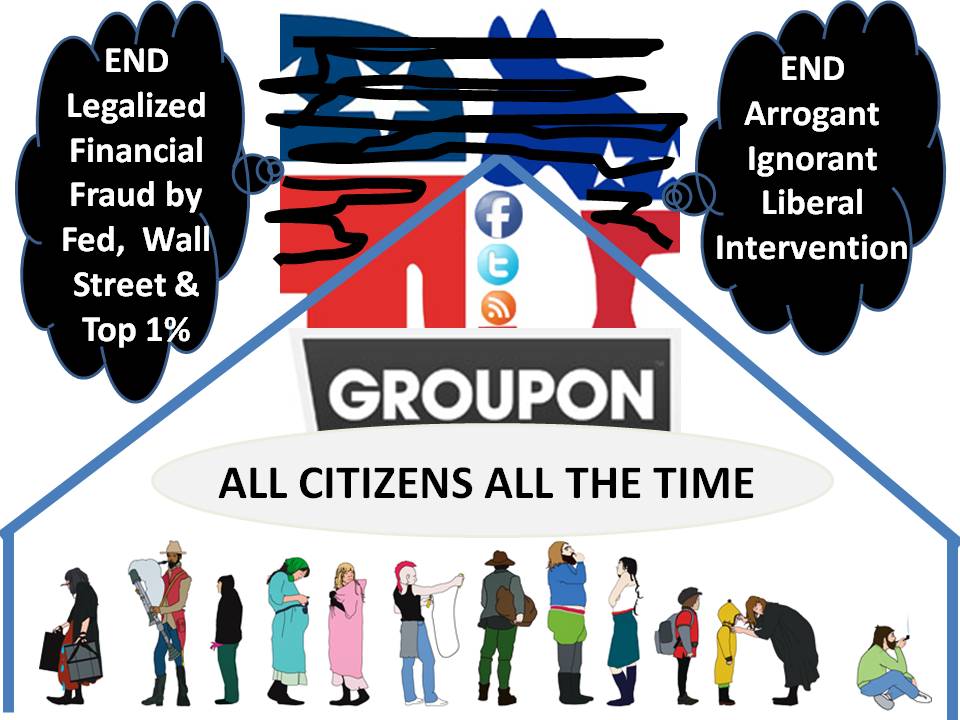
This week's Book post, Infinite Wealth for All, set the stage for this week's Politics post, which focuses on The New Craft of Cyber-Intelligence–a blending of advanced public intelligence and advanced Information Operations (IO). Let's start with a great Mashable piece, 4 Predictions for the Future of Politics and Social Media, from which I have remixed the graphic showing the two-party tyranny sniffing at social media.
KABUL, Afghanistan — The inauguration of a new Parliament in just weeks threatens to worsen ethnic tensions and instability and to drive an important part of President Hamid Karzai’s political base into the arms of the insurgency, Afghans and foreign officials warn.
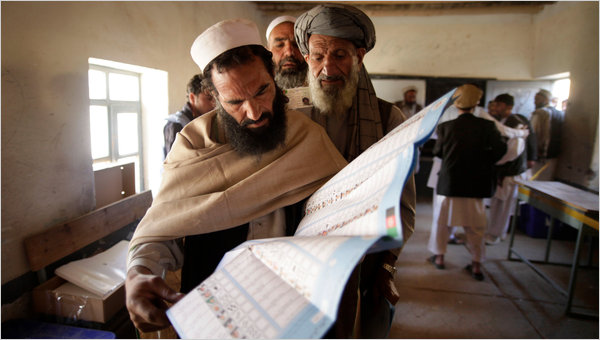
Instead insecurity, disaffection and fraud, particularly in the south, left the country’s largest and most important ethnic group, the Pashtuns, with sharply reduced representation. The results have been vigorously disputed for three months and have pushed the country to the brink of a constitutional crisis.
Now a range of Afghan officials and losing candidates say the election could have much the opposite effect from what many here had hoped. Seating the new Parliament, they warn, could fuel the insurgency and even the kind of ethnic strife that might lead to civil war.
“Step by step Pashtuns will say we are not represented, the government does not care about us, our people are not in government, and step by step they will join the enemy,” warned Jamil Karzai, a former member of Parliament and cousin of the president.
The results were surprisingly bad. <preconditions of revolution> is a little better but still not great. Here is the meat you were looking for plus some. The bottom line on revolution is that it results from scarcity compounded by corruption. The USA is in a pre-revolutionary situation today, with all the preconditions present, lacking just a precipitant.
Revolutions occur in the following domain areas: political-legal/military, socio-economic, ideo-cultural, techo-demographic, and natural-geographic. Preconditions are different from precipitants. Preconditons can cross-pollinate but a precipitant is the spark. Take a careful look at the first graphic–generally a concentration of wealth, an inattentive elite, a breakdown of ideo-cultural confidence, and a demographic crisis (major unemployment plus an epidemic) are four that come to mind as especially troubling.
Two years into the Obama presidency and the economic data is still looking grim. Don’t be fooled by the gyrations of the stock market, where optimism is mostly a reflection of the ability of financial corporations—thanks to massive government largesse—to survive the mess they created. The basics are dismal: Unemployment is unacceptably high, the December consumer confidence index is down and housing prices have fallen for four months in a row. The number of Americans living in poverty has never been higher, and a majority in a Washington Post poll said they were worried about making their next mortgage or rent payment.
In a parallel universe lives Peter Orszag, President Barack Obama’s former budget director and key adviser, who even faster than his mentor, Robert Rubin, has passed through that revolving platinum door linking the White House with Wall Street. The goal is to use your government position to advance the interests of your future employer, and Orszag and Rubin’s actions in the government and then at Citigroup provide stunning examples of the synergy between big government and high finance.