
On Rumors, Repression and Digital Disruption in China: Opening Pandora’s Inbox of Truthiness?
The Economist recently published a brilliant piece on China entitled: “The Power of Microblogs: Zombie Followers and Fake Re-Tweets.” BBC News followed with an equally excellent article: “Damaging Coup Rumors Ricochet Across China.” Combined, these articles reveal just how profound the digital disruption in China is likely to be now that Pandora’s Inbox has been opened.
The Economist article opens with an insightful historical comparison:
“In the year 15AD, during the short-lived Xin dynasty, a rumor spread that a yellow dragon, a symbol of the emperor, had inauspiciously crashed into a temple in the mountains of central China and died. Ten thousand people rushed to the site. The emperor Wang Mang, aggrieved by such seditious gossip, ordered arrests and interrogations to quash the rumor, but never found the source. He was dethroned and killed eight years later, and Han-dynasty rule was restored.”
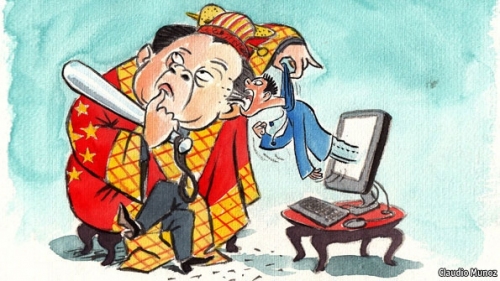
“The next ruler, Emperor Guangwu, took a different approach, studying rumors as a barometer of public sentiment, according to a recent book Rumors in the Han Dynasty by Lu Zongli, a historian. Guangwu’s government compiled a ‘Rumors Report’, cataloguing people’s complaints about local officials, and making assessments that were passed to the emperor. The early Eastern Han dynasty became known for officials who were less corrupt and more attuned to the people.”
In present day China, a popular pastime among 250+ million Chinese users of microblogging platforms is to “spread news and rumors, both true and false, that challenge the official script of government officials and state-propaganda organs.” In Domination and the Arts of Resistance: Hidden Transcripts, James Scott distinguishes between public and hidden transcripts.