Berto Jongman: Humanitarian Aid & Forgotten Conflicts

04 Inter-State Conflict, 05 Civil War, 06 Genocide, 07 Other Atrocities, 08 Wild Cards, Budgets & Funding, Civil Society, Cultural Intelligence, IO Deeds of Peace, Non-Governmental, Peace Intelligence, Policies
Berto Jongman

Some important connections drawn between aid, corruption, and positive change; and also important omissions — conflicts out of the news where paying attention could make a difference.

Singling Out Forgotten Conflicts

The ISN Blog, 15 March 2012

A popular method for identifying which conflicts necessitate more attention from the international community is to estimate the difference between supply and demand of humanitarian assistance in these conflicts. Supply and demand, however, are very hard to measure in emergencies. This has led to the development of several indicators used to measure ‘forgotten conflicts’.

These indicators are often applied on an annual basis and are intended to generate media attention (to increase donations) and/or support donor operations (to comply with impartiality). Have these efforts been successful? Have they effectively singled out and buttressed forgotten conflicts? Looking back on the past decade, in this blog post I’ll assess which conflicts received the least (and most) attention from international actors.

Continue reading “Berto Jongman: Humanitarian Aid & Forgotten Conflicts”

DefDog: China Tries Real Name Registration Online

02 China, 11 Society, Government, IO Impotency
DefDog

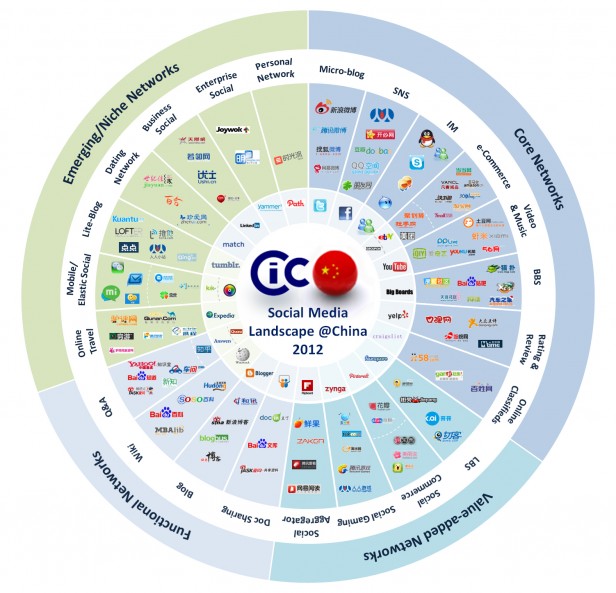
Real-Name Registration Threatens the Lively World of China’s Microblogs

WIRED.com, 15 March 2012

The timeline on Sina Weibo, China’s popular Twitter-like service, is filled with pithy comments about “Beijing Fashion Week,” chronicling the comings and goings and sartorial choices of the elite.

But the commenters aren’t fashionistas, and they aren’t talking about supermodels or design stars. They are referring, in not-so-secret code, to Communist Party officials.

“Beijing Fashion Week” is a thinly veiled, sarcastic commentary on the Communist Party’s annual summit, now under way in the nation’s capital. And many of the assembled are making it easy to be ridiculed by showing up in luxury garb — a far cry from the staid image they aspire to project.

Click on Image to Enlarge

. . . . . .

And all this may change in the face of a new, more stringent policy designed to clamp down on free expression where other methods have been less successful. In a move to exert greater control on citizen speech online, the government is requiring that Sina Weibo and China’s other microblogs register the real names and identification cards of users in several cities. Those who do not register this week in many major cities like Beijing will not be allowed to share or forward posts; after a period of testing, the policy will go into effect nationwide.

Read full article.

Graphic Source (separate posting)

Greg Smith: Why I Am Leaving Goldman Sachs

Commerce, Corruption
Greg Smith

Why I Am Leaving Goldman Sachs

The New York Times, 14 March 2012

TODAY is my last day at Goldman Sachs. After almost 12 years at the firm — first as a summer intern while at Stanford, then in New York for 10 years, and now in London — I believe I have worked here long enough to understand the trajectory of its culture, its people and its identity. And I can honestly say that the environment now is as toxic and destructive as I have ever seen it.

To put the problem in the simplest terms, the interests of the client continue to be sidelined in the way the firm operates and thinks about making money. Goldman Sachs is one of the world’s largest and most important investment banks and it is too integral to global finance to continue to act this way. The firm has veered so far from the place I joined right out of college that I can no longer in good conscience say that I identify with what it stands for.

Patrick Meier: #UgandaSpeaks: Al-Jazeera uses Ushahidi to Amplify Local Voices in Response to #Kony2012

08 Wild Cards, 09 Justice, 10 Security, 11 Society, Advanced Cyber/IO, Blog Wisdom, Civil Society, Media
Patrick Meier

#UgandaSpeaks: Al-Jazeera uses Ushahidi to Amplify Local Voices in Response to #Kony2012

Invisible Children’s #Kony2012 campaign has set off a massive firestorm of criticism with the debate likely to continue raging for many more weeks and months. In the meantime, our colleagues at Al-Jazeera have repurposed our previous #SomaliaSpeaks project to amplify Ugandan voices responding to the Kony campaign: #UgandaSpeaks.

Together with GlobalVoices, this Al-Jazeera initiative is one of the very few seeking to amplify local reactions to the Kony campaign. Over 70 local voices have been shared and mapped on Al-Jazeera’s Ushahidi platform in the first few hours since the launch. The majority of reactions submitted thus far are critical of the campaign but a few are positive.

Read full post with graphics and many links.

Reference: Political Terror Scale

09 Terrorism, Civil Society, Corruption, Government, Law Enforcement, Military, White Papers

Political Terror Scale Home Page

Political Terror Scale Levels

level 5 Level 5 : Terror has expanded to the whole population. The leaders of these societies place no limits on the means or thoroughness
with which they pursue personal or ideological goals.

level 4 Level 4 : Civil and political rights violations have expanded to large numbers of the population. Murders, disappearances, and torture are a common part of life. In spite of its generality, on this level terror affects those who interest themselves
in politics or ideas.

level 3 Level 3 : There is extensive political imprisonment, or a recent history of such imprisonment. Execution or other political murders and brutality may be common. Unlimited detention, with or without a trial, for political views is accepted.

level 2 Level 2 : There is a limited amount of imprisonment for nonviolent political activity. However, few persons are affected, torture and beatings are exceptional. Political murder is rare.

level 1 Level 1 : Countries under a secure rule of law, people are not imprisoned for their views, and torture is rare or exceptional. Political murders are extremely rare.


Learn more.

Tip of the Hat to Berto Jongman.

Eagle: Senators Intervene To Halt Wellness Ambassadors Who Recommend Dietary Supplements Instead of Drugs at Rite-Aid Stores

07 Health, Corruption, Government
300 Million Talons...

Senators Intervene To Halt Wellness Ambassadors Who Recommend Dietary Supplements Instead of Drugs at Rite-Aid Stores

About 300 of Rite-Aid’s 4700 drug stores are starting to direct customers to what they want – wellness without dependence upon problematic and over-priced prescription drugs. But that practice has obviously upset Big Pharma. These white-coated ambassadors are allegedly pretending they are pharmacists and directing patients to diet supplements – heaven’s to Betsy!

At least that is what two US Senators allege in their letter to Rite-Aid, which has GNC nutrition centers inside many of its stores. A letter from the senators to Rite-Aid says they are concerned these ambassadors “could be making false and misleading claims by marketing dietary supplements as treatments for health conditions.”

Wait a minute – I thought the Dietary Supplement Health & Education Act of 1994 (DSHEA) gave the right to market dietary supplements as long as they strictly support health, not as cures, treatments or prevention for any disease. Drugs do not promote wellness, and few are an appropriate cure for anything.

A grave problem (the word grave being used in its true meaning) is that that DSHEA didn’t go far enough. Dietary supplements do in fact prevent, treat and cure diseases, many of them. The Food & Drug Administration mandates censorship of the truth. Doesn’t vitamin D prevent rickets, vitamin C prevent scurvy, vitamin B1 prevent beri beri, etc?

Read full article.