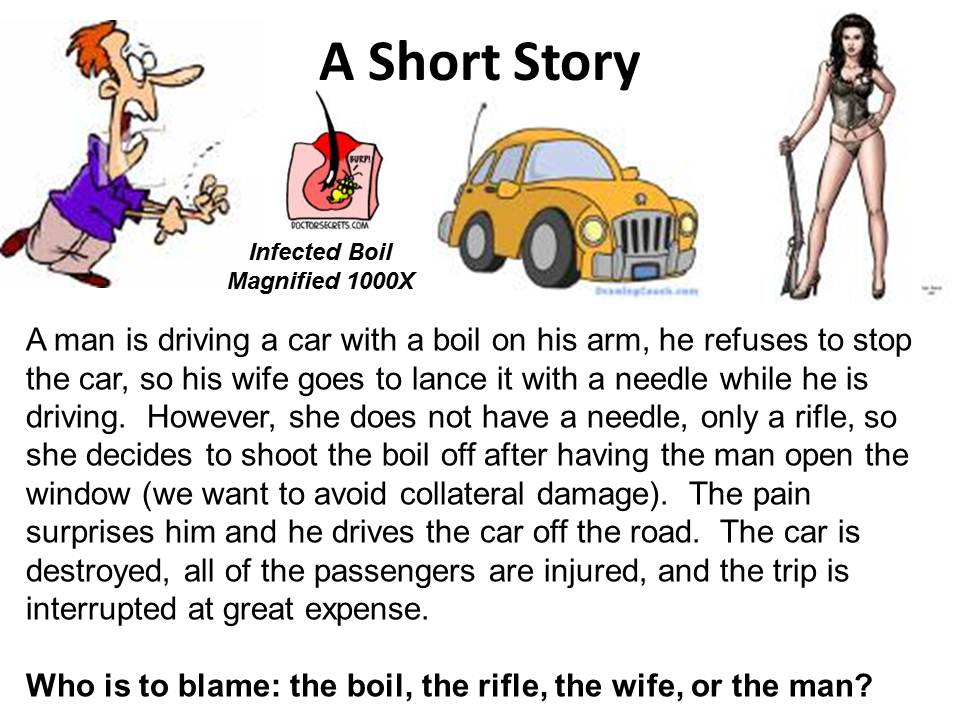
Graphic: A Short Story-Terrorism as a Boil
See Also:

The truth at any cost lowers all other costs — curated by former US spy Robert David Steele.
Graphic: A Short Story-Terrorism as a Boil
See Also:

Huh?
Bolivia furious over Snowden jet claims
Bolivia plane incident infuriates Latin America
Barring of Bolivian Plane Infuriates Latin America as Snowden Case Widens
Snowden case: Bolivia condemns jet ‘aggression'
Snowden case: France apologises in Bolivia plane row
South American nations discuss Morales ‘virtual kidnapping'
Unasur Confirms Special Summit in Bolivia
US admits contact with other countries over potential Snowden flights – as it happened
In Washington Dulles airport I noticed a large advertisement. I'd seen it before and not paid attention. (No doubt that's why they saturate public space with the things.) It showed a woman's face with the words: “A car crash in California almost took her leg. A bomb blast in Iraq helped save it.” It directed one to a website: orthoinfo.org/dominique
I'm against car crashes in California. I'm in favor of saving Dominique's leg. But at the website what we find is a claim that her leg was saved because her orthopaedic surgeon had experience in Iraq. And I don't mean in the Iraqi hospitals that existed before we destroyed that country. I mean he had experience in the destruction process.
“Thank you, Dr. Paul Girard. How lucky was I to have an orthopaedic surgeon with wartime experience and special insights on how to treat an injury like mine?” Thus writes Dominique, whose partner James comments on the doctor: “His experience as a wartime orthopaedic surgeon in Iraq gave him a special familiarity with traumatic limb injuries.” How would James know this? Presumably the doctor, whose own comments don't mention the war, told him. Or someone ghost wrote the website.
The orthoinfo.org website was created by three societies of orthopaedic surgeons that clearly know which side of the mutilated troop their bread is buttered on. (Orthopaedic comes through French from the Greek for boneheaded.)
Continue reading “David Swanson: PSYOP on US Population – War is Good?”
Robert Garigue (RIP) remains one of the giants of 21st Century cyber-security. He was 20 years ahead of his time, and most have still not caught up with him. Below is his cloud list, but we have also selected a few items to showcase. Trust on the edges, not centralized butts in seats, is the heart of security.
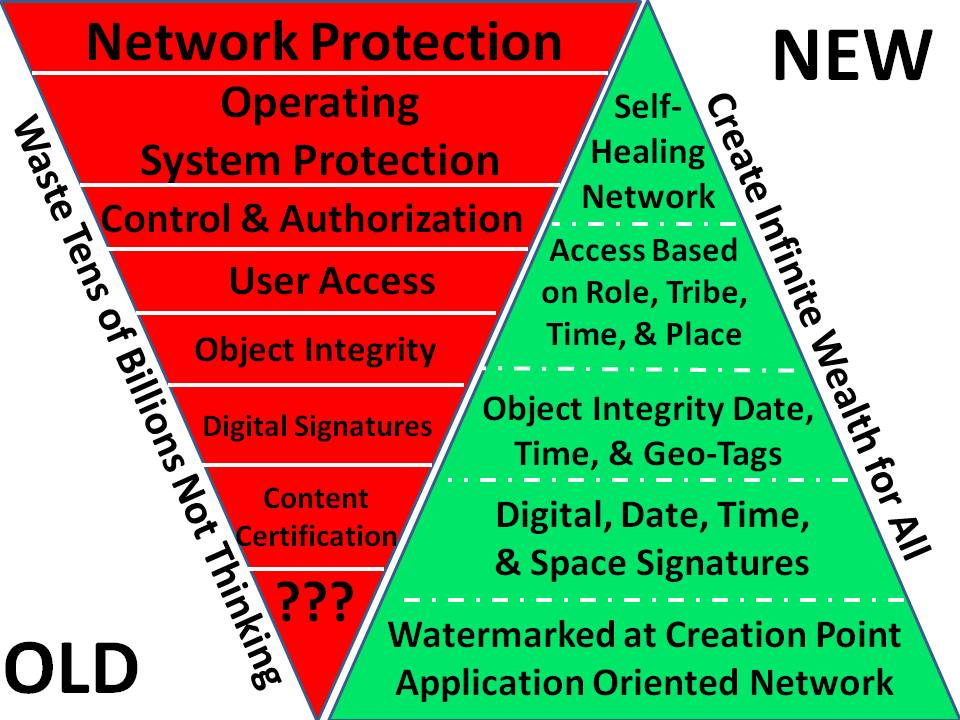
Here is the single coolest slide that he and Robert Steele created together. We strongly recommend every single thing he has ever published, when he died in his sleep at the age of 50, we did what we could to gather up his work and showcase it here in memory and in perpetuity.
See (Selective):
Gunnar Peterson on Robert Garigue’s Last Briefing [Note: this is the one briefing that best captures the idiocy across the US cyber-system — still pretending to build Maginot Lines and still absolutely utterly with a clue at the code level.]
Robert Garigue, CISO Briefing
Robert Garigue: Feedback for Dynamic System Change
Robert Garigue: Security as the Guarantor of Values Executed by Systems–Security as Truth & Trust
Robert Garigue: Strategic Evolution of Information Security
Robert Garigue, “Technical Preface” to Book Three
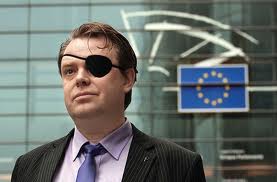
As the NSA and other spooks continue to spy on the world's communications, we ask: who watches them? Is it a secret court under a secret law? Is Edward Snowden really a traitor or a champion of government accountability? Are we already living in George Orwell's 1984? To mull over these issues, Oksana is joined by Rick Falkvinge, Swedish Pirate Party founder and internet freedom activist.
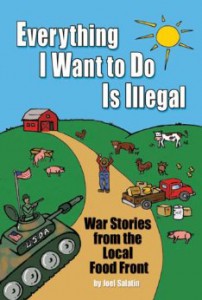
Drawing upon 40 years' experience as an ecological farmer and marketer, Joel Salatin explains with humor and passion why Americans do not have the freedom to choose the food they purchase and eat. From child labor regulations to food inspection, bureaucrats provide themselves sole discretion over what food is available in the local marketplace. Their system favors industrial, global corporate food systems and discourages community-based food commerce, resulting in homogenized selection, mediocre quality, and exposure to non-organic farming practices. Salatin's expert insight explains why local food is expensive and difficult to find and will illuminate for the reader a deeper understanding of the industrial food complex.
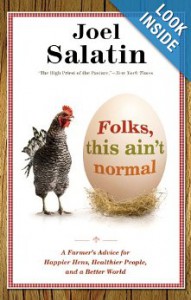
From farmer Joel Salatin's point of view, life in the 21st century just ain't normal. In FOLKS, THIS AIN'T NORMAL, he discusses how far removed we are from the simple, sustainable joy that comes from living close to the land and the people we love. Salatin has many thoughts on what normal is and shares practical and philosophical ideas for changing our lives in small ways that have big impact. Salatin, hailed by the New York Times as “Virginia's most multifaceted agrarian since Thomas Jefferson [and] the high priest of the pasture” and profiled in the Academy Award nominated documentary Food, Inc. and the bestselling book The Omnivore's Dilemma, understands what food should be: Wholesome, seasonal, raised naturally, procured locally, prepared lovingly, and eaten with a profound reverence for the circle of life. And his message doesn't stop there. From child-rearing, to creating quality family time, to respecting the environment, Salatin writes with a wicked sense of humor and true storyteller's knack for the revealing anecdote.
Continue reading “Worth a Look: Books by Folk-Hero Farmer Joel Salatin”